

Author: Passport Mazda
Welcome to your locally tailored Mazda maintenance guide, designed specifically for drivers in Camp Springs and the surrounding areas, including Washington, Alexandria, Arlington, and Bowie. With decades of service experience at Passport Mazda, we’ve gained invaluable insights into the unique driving conditions and climate challenges you face on local roads like Allentown Road and Branch Avenue. This guide will help you understand the recommended service schedule that best suits your vehicle, ensuring it performs reliably and safely on your daily commutes and weekend adventures.
As you navigate the humid summers and mild winters typical of our region, it’s essential to consider how local weather affects your vehicle’s performance. Whether you’re heading to Henson Creek Park for a family outing or making your way to the Capital Beltway for work, this guide is here to support you in keeping your Mazda in peak condition, reflecting our commitment to the community and your driving needs.
Why Should You Follow a Maintenance Schedule for Your Mazda?
Adhering to a maintenance schedule is essential for protecting your investment in your Mazda and ensuring it remains reliable on the roads of Camp Springs. The local climate, characterized by hot, humid summers and heavy pollen in the spring, can place significant stress on various vehicle components. For instance, the heat can degrade engine fluids and belts, while pollen can obstruct air filters, leading to decreased performance and efficiency.
Regular service not only addresses these environmental challenges but also enhances your vehicle’s overall performance and safety. By keeping up with maintenance, your Mazda—be it the efficient CX-5 or the versatile CX-30—will be better prepared for everything from daily commutes along Branch Avenue to weekend getaways to Henson Creek Park. This proactive approach minimizes the risk of breakdowns and ensures that your vehicle operates as intended, providing peace of mind whether you’re navigating the Capital Beltway or exploring local parks. For further insights on maintaining your vehicle, check out resources like Edmunds.
How Does Mazda’s Service Reminder System Work?
Many Mazda vehicles provide reminders for routine maintenance, which can vary based on the model and year. Some vehicles utilize a straightforward time or mileage counter to alert you when it’s time for service, while others might adjust reminders based on how the vehicle is driven, although this feature is not available on all models. This system is intended to help you stay informed about necessary maintenance for your vehicle.
Typically, drivers will see a notification on the dashboard, which could include a service indicator light (like a wrench), a maintenance reminder message, or an oil-life percentage. The specifics of how these reminders function can differ significantly from model to model, so it’s best to refer to your owner’s manual for the exact maintenance schedule. Additionally, local driving conditions around Camp Springs and nearby areas—like frequent short trips, stop-and-go traffic on roads such as Allentown Road and Branch Avenue, or towing—can influence how often you need to service your vehicle.
What Does the Primary Service Reminder Mean?
Understanding the primary service reminder is crucial for maintaining your vehicle’s health. This reminder serves as a high-level alert indicating that scheduled maintenance is due or approaching. Depending on the model and year of your Mazda, this reminder may manifest as a simple message or indicator, while some vehicles may offer more detailed information through a maintenance menu or settings screen. For precise details on what services are required, refer to your owner’s manual or check the in-vehicle maintenance information.
Primary reminder: This is a general signal that encourages you to consult your vehicle’s maintenance guidance and schedule the necessary service. It signifies that maintenance is due without necessarily specifying each item.
Additional details (if shown): In some cases, your vehicle may provide extra context—such as a maintenance screen, percentage countdown, descriptive messages, or symbols—that clarify what needs attention. If available, use these additional details in conjunction with your owner’s manual to confirm the recommended service.
What Do Additional Service Indicators Mean?
Some vehicles provide additional details beyond the primary service reminder, which can appear as extra items, symbols, or menu entries. These indicators help clarify what type of service might be due, but their specific meanings can vary by vehicle. Here are some common service items that you might see, although not all Mazda models will display these:
- Tire rotation: Regular tire rotation promotes even tread wear and consistent handling. If you frequently drive on roads like Allentown Road or encounter stop-and-go traffic on Branch Avenue, your tires may wear unevenly.
- Engine and cabin air filters: Engine air filters ensure proper airflow to the engine, while cabin air filters maintain air quality inside the vehicle. Given the dust and pollen common in Camp Springs, these filters may need more frequent checks.
- Transmission fluid: Some vehicles track or recommend service for transmission fluid as part of maintenance. Frequent short trips or driving in hilly areas can increase heat and stress on the transmission.
- Spark plugs and valve clearance check (when applicable): Spark plug replacement is often necessary at set intervals, and some engines may also require a valve clearance check. These services are typically indicated as you approach higher mileage milestones.
- Engine coolant: Coolant is essential for regulating engine temperature and protecting components. Hot weather or extended highway driving can increase the cooling system’s demands, making it important to monitor levels.
- Rear differential fluid (AWD/4WD, if equipped): Vehicles with all-wheel drive may need differential fluid service. Driving in wet conditions or on uneven surfaces can put extra strain on these components, especially during rainy seasons.
- Brake fluid: Over time, brake fluid can absorb moisture, which may affect braking performance. If this service is indicated, it’s important to follow the recommended intervals based on your driving conditions.
What is a Typical Mazda Service Schedule for Camp Springs Drivers?

Understanding a typical service schedule can help you anticipate maintenance needs for your Mazda, even if your vehicle lacks a dedicated reminder system. This outline serves as a useful reference alongside your owner’s manual and any available in-vehicle guidance. It takes into account common driving conditions in Maryland—like navigating through stop-and-go traffic on Allentown Road or taking longer highway trips along the Capital Beltway, while also considering seasonal temperature fluctuations that can impact vehicle performance.
What Services Are Needed in the First 30,000 Miles?
During the initial 30,000 miles of ownership, drivers will typically focus on essential services such as routine oil changes, tire rotations, and monitoring air filters. The exact timing for these services will depend on your specific Mazda model, driving habits, and the recommendations provided in your vehicle’s maintenance manual.
Oil service: For many Mazda vehicles, oil changes usually occur within a range of several thousand miles, often extending up to around 7,500-10,000 miles under optimal conditions. However, if your driving involves frequent short trips, idling, or navigating the busy streets of Camp Springs and nearby Washington, Alexandria, Arlington, and Bowie, you might find that your vehicle requires service sooner than expected.
Tires and filters: Tire rotations are commonly performed at intervals that may align with oil changes or occur at regular mileage markers early in ownership to promote even tire wear. Additionally, it’s wise to keep an eye on your engine and cabin air filters, especially given the area’s pollen, dust, and construction debris. Many drivers in the Camp Springs area find themselves replacing these filters somewhere between 15,000 and 30,000 miles, depending on their local driving conditions.
What Maintenance Should Be Done Between 30,000 and 60,000 Miles?
As your Mazda accumulates mileage between 30,000 and 60,000 miles, maintenance often shifts towards more involved services that protect critical systems. The timing of these services can vary based on your specific model, powertrain, and driving habits, so it’s wise to consult your owner’s manual and any in-vehicle maintenance alerts.
Transmission fluid: A transmission fluid service is often recommended for vehicles that frequently endure stop-and-go traffic, short trips, or navigate hilly terrain. In areas like Camp Springs, where traffic on roads like Allentown Road and Branch Avenue can be heavy, maintaining fluid quality is crucial for ensuring smooth shifting and extending the life of your transmission.
Brake fluid, brakes, and tires: Regular inspections of your brakes and tires become increasingly important in this phase, especially for safe stopping and handling during your daily commutes. Whether you’re driving along the Capital Beltway or heading to Henson Creek Park, ensuring these systems are in good condition contributes to a safer driving experience.
What Major Services are Required Approaching 100,000 Miles?
As your Mazda approaches the 100,000-mile milestone, several major maintenance services often become relevant for ensuring your vehicle’s longevity and performance. However, the specific needs can vary by model and engine type, so it’s always best to refer to your owner’s manual and any in-vehicle maintenance guidelines to determine what applies to your particular vehicle.
Spark plugs: Replacing spark plugs can significantly enhance your Mazda’s efficiency and reliability, leading to smoother starts and better fuel economy as wear accumulates over years on the road. For residents in Camp Springs, ensuring your spark plugs are in good condition can make a noticeable difference, especially during those busy commutes along Allentown Road.
Timing belt (if equipped) and coolant service: Some Mazda engines, particularly older designs, utilize timing belts that may necessitate scheduled replacements. In contrast, many modern engines feature timing chains, which typically don’t require routine replacement. Additionally, a coolant service—often involving a flush or replacement—is crucial for maintaining your cooling system’s health, protecting it from corrosion and overheating over time. Staying ahead of these services not only supports reliability but can also enhance resale value.
Why is Local Expertise Important for Servicing Your Mazda?
Understanding the unique driving conditions in Camp Springs and nearby areas is crucial for keeping your Mazda in peak condition. The hot, humid summers can put extra strain on your vehicle’s A/C system and engine components. Local pollen counts can clog air filters more quickly than in drier climates, while the mix of clay soil and seasonal rains can affect tire traction and vehicle stability. Our technicians at Passport Mazda are well-versed in these regional challenges, enabling them to identify wear patterns specific to local roads like Allentown Road and Branch Avenue Metro Station, ensuring your Mazda stays reliable and safe.
By relying on technicians who are familiar with these local factors, you can trust that your Mazda is receiving tailored care that enhances performance and longevity. For more information on vehicle safety and maintenance, consider visiting the National Highway Traffic Safety Administration (NHTSA) for valuable insights.
Frequently Asked Questions (FAQs)
How often should I really change my oil in Camp Springs’s climate?
Your vehicle’s service reminder or owner’s manual is your best guide, as intervals can vary based on driving habits and conditions. In the humid summers of Camp Springs, many drivers find oil changes are typically recommended every 5,000 to 10,000 miles, depending on the vehicle and oil type used.
Are all-season tires enough for the Camp Springs area?
For most of the year, high-quality all-season tires are suitable for driving in Camp Springs. They provide reliable traction for the area’s typical rain and mild winter conditions, ensuring safety on roads like Allentown Road and Branch Avenue.
Does commuting on local highways affect my service intervals?
Yes, it can. Frequent stop-and-go traffic on congested routes like the Capital Beltway (I-495) can be tougher on your engine and brakes compared to steady highway driving. If your vehicle has a service reminder system, it may suggest services more frequently to account for this wear.
With all the pollen, how often should I change my cabin air filter?
Inspecting your cabin air filter annually is wise, particularly after the intense spring pollen season. For many drivers in our area, replacing it every 12,000 to 15,000 miles helps maintain clean air inside your Mazda and keeps the A/C system running efficiently.
Is AWD worth it for this area?
While not essential for everyone, a Mazda with available AWD offers a significant advantage during sudden, heavy rain common in Camp Springs. It enhances stability and traction on wet roads, providing greater confidence whether you’re on the highway or navigating local streets.
My vehicle doesn’t have a service reminder system. What schedule should I follow?
For older models without a service reminder system, a good rule is to change the oil every 5,000 miles with conventional oil or 7,500 miles with synthetic oil. Following the service intervals outlined in your owner’s manual for other components like filters, fluids, and timing belts is also recommended for optimal performance.
About Passport Mazda
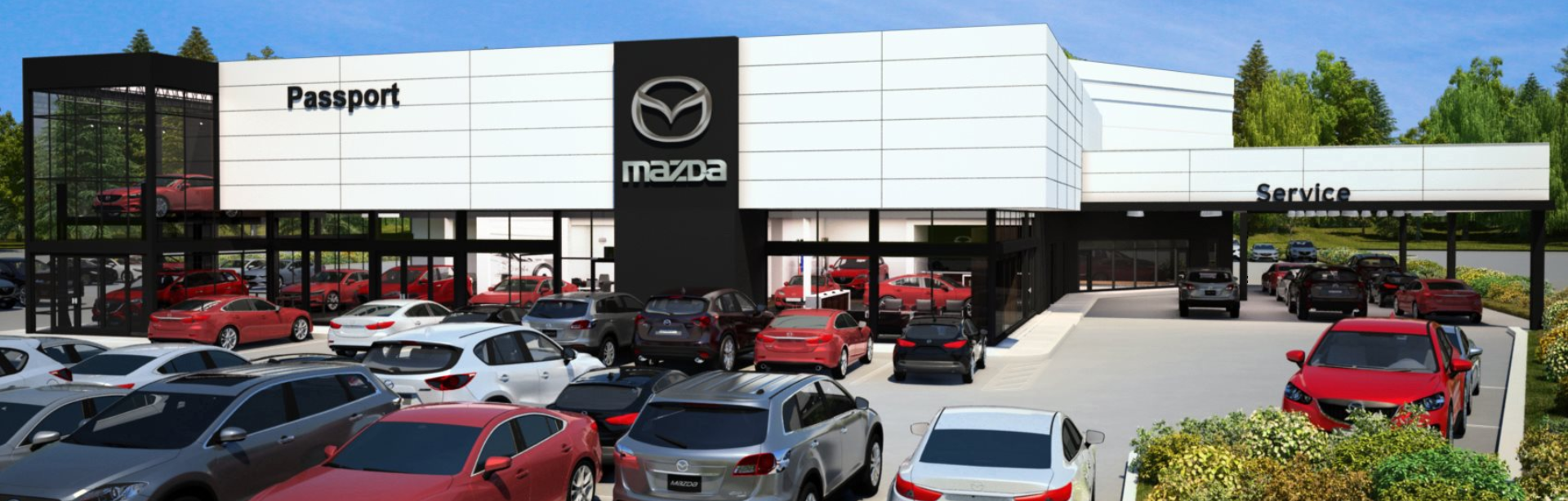
Passport Mazda is a premier automotive destination serving the Suitland, Washington D.C., and Waldorf communities with a commitment to excellence rooted in over 30 years of local service. As a flagship member of the family-owned Passport Auto Group, founded in 1991, we leverage decades of specialized expertise to provide a transparent, customer-first experience that has made us one of the most trusted names in the mid-Atlantic region. Our authority is backed by a track record of success, including the prestigious Mazda Gold Cup certification, which recognizes our team’s superior dedication to sales and service standards. We are deeply invested in the well-being of our neighbors through the Passport Cares initiative, which has contributed over $4 million to vital organizations like the Maryland Food Bank, Martha’s Table, and various cancer research foundations. Whether you are exploring our fuel-efficient Mazda lineup or visiting our expert service center, you are partnering with a team that prioritizes community impact and long-term integrity above all else.
Related Articles:
The Ultimate Guide to Finding the Best Mazda Dealer in Camp Springs, MD
Connect with us

Recent Blog Entries
- Everything You Need to Know About the 2026 Mazda CX-30
- Selling Your Car to a Mazda Dealer: Why It’s a Better Option Than Online Buyers
- Maximizing Your Mazda Trade-In Value in Camp Springs, MD
- Avoid Common Leasing and Financing Mistakes with Your Mazda
- How Our Finance Experts Simplify Buying a Mazda in Camp Springs, MD